


 Tushit Pandey
Subscribe to stay ahead with expert insights on ESOPs, smart ownership strategies, and more!
Editor’s Note:- Equity pools can turn a good company into a committed team or into a confused, resentful one. They are one of the most misunderstood parts of startup building in India. Founders either dilute too much, delay pool creation, or structure ESOPs in a way that confuses employees instead of motivating them. This guide explains how employee equity pools actually work in India, how much to set aside, how dilution really happens, and how to design grants that feel fair without losing control of the business.
Equity isn’t about being generous. It is about making people think like owners. When companies talk about equity, they’re rarely talking about generosity. They’re talking about alignment.
Ownership creates long-term thinking. Instead of asking “What’s my salary this month?”, people begin asking “How big can we make this company together?”
That shift is real, not theoretical. Research on employee ownership organisations shows stronger loyalty and retention, and higher participation in decision-making
In India, especially, equity pools became important because startups often can’t match corporate salaries. Equity gives employees a stake in future upside, not just in present pay.
When structured correctly, everyone grows together.
An employee equity pool (commonly called an ESOP pool ) is a block of company ownership specifically reserved for employees, both present and future.
The important detail most founders misunderstand is that the pool is created first, and employees receive grants from it later.
So if a company creates a 12% pool, that 12% sits on the cap table even before being distributed. It already affects everyone’s ownership.
Across early-stage Indian startups, pools commonly fall between 10% and 15% at early rounds. Bigger pools exist, but unnecessary oversizing means unnecessary dilution.
In India, ESOPs are governed primarily by The Companies Act, 2013, Rule 12 of Companies (Share Capital & Debentures) Rules, 2014, and SEBI regulations for listed companies.
A few critical legal points founders often miss
This is why legal drafting matters. A casual Google template often violates something and becomes a nightmare later.
If you operate as a Limited Liability Partnerships , creating broad employee ownership is legally restrictive and often impractical.
Private Limited Companies, however, are designed for option plans. They allow vesting, exercise, buybacks, secondary sales, and clearer shareholder records. This is one reason most venture-backed startups convert to private limited structures before issuing ESOPs.
Structure controls what is possible.
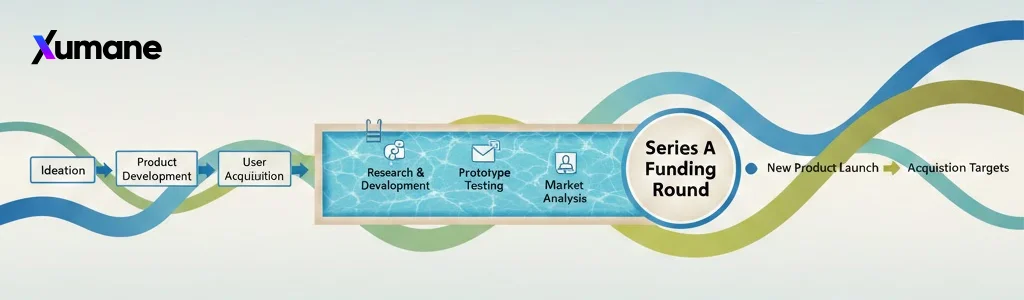
The best time to create a pool is before serious fundraising conversations.
Investors usually assume the pool already exists. If it doesn’t, they often push founders to expand it, and the dilution then lands on founders, not on them.
Founders who wait too long end up renegotiating with lawyers and investors while simultaneously trying to run the company. Planning removes future friction.
A simple rule works well
A simple framework works here -
Create a pool early - expand logically as hiring scales - avoid knee-jerk dilution.
That discipline protects control while still enabling growth.
There’s no universal number. It depends on hiring pace, team structure, and growth strategy.
Founders usually calculate it backward:
But these patterns repeat across Indian startups:
| Stage | Typical Pool Size | Why |
| Early bootstrapped | 5–8% | Limited hiring, early uncertainty |
| Seed / Pre-Series A | 10–15% | Key early hires, leadership roles |
| Series A / B | 12–18% | Team expansion + retention |
| Hyper-scaling | 18–25% | Many senior roles + retention cycles |
Globally, employee ownership structures typically sit around 15–20% across growth stages. Oversizing sounds generous, but it can reduce founder control when it matters most.
Most Indian companies don’t immediately give employees shares. Instead, they issue stock options.
Every ESOP plan typically defines four things clearly:
Most Indian plans follow a predictable rhythm: four-year vesting, one-year cliff, vesting every month or quarter afterward.
This prevents someone from joining for six months and walking away with equity forever, which ensures equity rewards contribution, not short-term presence.
Let’s walk through numbers that founders often misunderstand.
Company valuation = ₹40 crore
Before ESOP pool
Founders = 80%
Investors = 20%
A 12% ESOP pool is created.
After pool creation
Founders = ~70.4%
Investors = ~17.6%
ESOP Pool = 12%
Nobody’s shares disappeared. But everyone’s ownership percentage is reduced. That is dilution, and it’s normal.
Now imagine investors later insisting on increasing the pool to 18%. Dilution increases again.
Hence, Planning matters.
A lot of employees hear “equity” and think “salary bonus in disguise.”
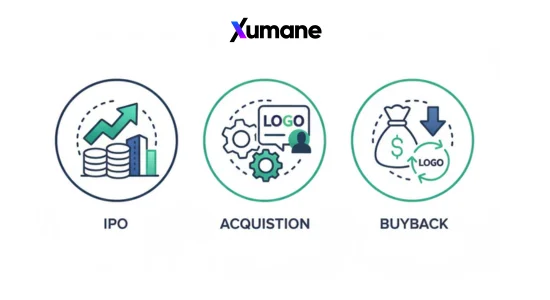
But equity only turns into money during liquidity events -
And major liquidity events take time. Many companies never list publicly globally, only a minority ever make it to stock exchanges. This doesn’t make equity useless. It makes it long-term.
Employees should see equity like planting mango trees. You water them. You nurture them. They don’t produce fruit immediately, but when they do, the payoff matters.
Fair equity doesn’t mean equal equity. Founders usually consider:
Early hires often get more because they walked in when nothing was guaranteed.
Equity is part reward, part signal. Done well, it tells people: You matter here, and the future matters with you.
In India, ESOP tax usually hits employees twice:
However, startups recognised under DPIIT sometimes receive deferred taxation relief, meaning tax can be delayed until sale under specific conditions.
Tax planning conversations must always involve a professional because mistakes become expensive very fast.
When structured thoughtfully, employee equity becomes a quiet engine.
People stay. They build instead of job-hopping. They think in years and not months.
But equity demands clarity:
Design it like a system, not like a motivational speech.
It’s a reserved portion of ownership set aside for employees, distributed gradually through option grants.
Most Indian startups start near 10-15% and adjust with growth, not guesswork.
Usually no. They receive options that convert after vesting and exercise.
Yes. Creating or expanding the pool reduces founder percentage unless investors share dilution.
Mostly during exits, buybacks, secondary sales, or IPO not month to month.
Related Content
